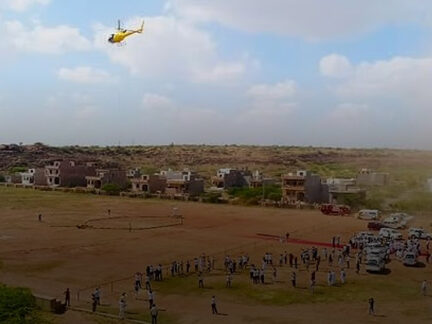
Chasing aquifers from the sky: Heliborne surveys are mapping India’s....
We appreciate and value the commitment of investment partners toward improving water and sanitation.

We appreciate and value the commitment of investment partners toward improving water and sanitation.
We appreciate and value the commitment of investment partners toward improving water and sanitation.
Leveraging Voice-based Platforms for Operation and Maintenance under Har Ghar Nal Ka Jal.
Amongst civil society organisations in India there is a growing acceptance of the need for system strengthening for sustainable services for all, and that all the actors of the system work together to strengthen the various elements of the system.
Amongst civil society organisations in India there is a growing acceptance of the need for system strengthening for sustainable services for all, and that all the actors of the system work together to strengthen the various elements of the system.
Amongst civil society organisations in India there is a growing acceptance of the need for system strengthening for sustainable services for all, and that all the actors of the system work together to strengthen the various elements of the system.
According to data collected by The World Bank, India has 18 per cent of the world’s population but only four per cent of its water resources, making it one of the most water-stressed countries in the world.
According to data collected by The World Bank, India has 18 per cent of the world’s population but only four per cent of its water resources, making it one of the most water-stressed countries in the world.
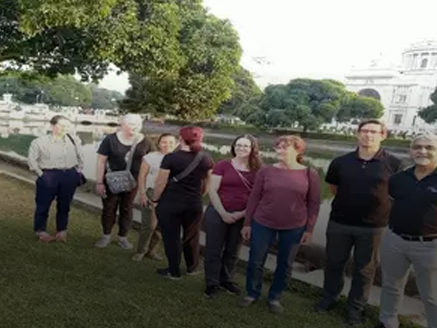
The Covid-19 pandemic has subsided and now, it’s time for foreigners working for NGOs to be in Kolkata for some field work.
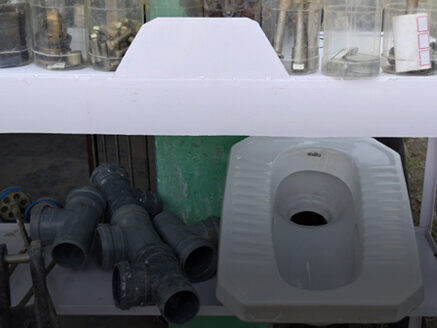
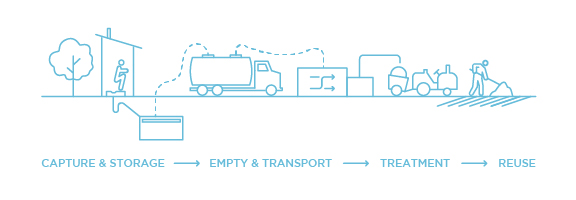
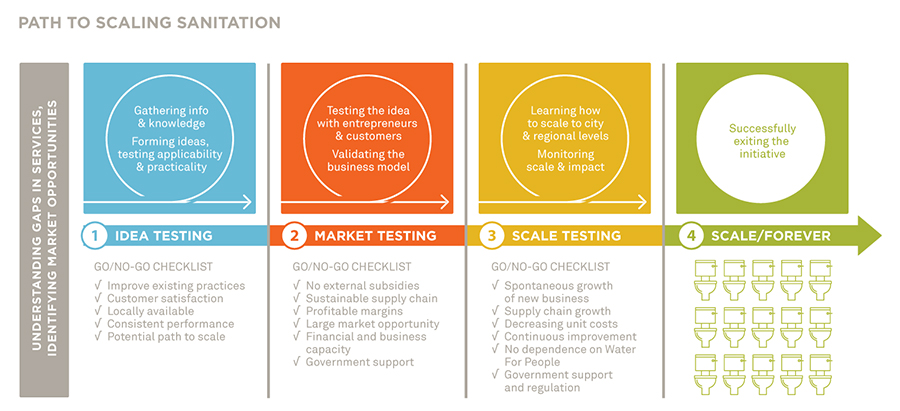
A major component of Water For People’s approach to ensuring sustainable sanitation is supporting locally-led sanitation businesses.

Water for people supports community-based water management as it is one of key strategies for analyzing, planning, and managing water resources in an equitable and sustainable way.
Whenever we talk of water, it is about the role of water in people’s lives, ‘water for people’.
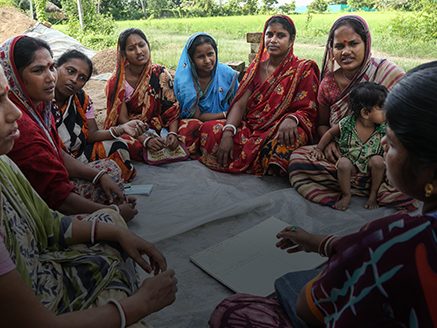
Providing safe access to water and sanitation facilities is a social and demographic imperative and a key driver for gender justice.
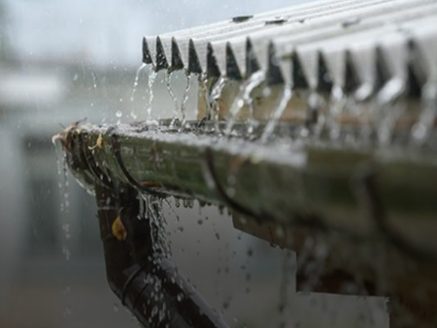
Rooftop rainwater harvesting is a technique through which rainwater is captured from household rooftop catchments and stored in a designated reservoir…
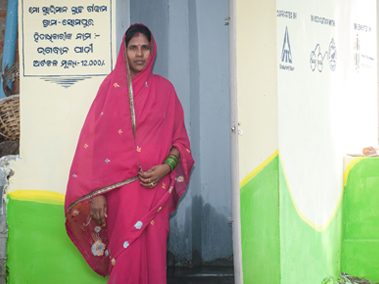
Under ITC Limited Mission Sunehra Kal Initiative in Hinjilicut block in Ganjam district of Odisha, SHGs are being revived and supported to promote sanitation.
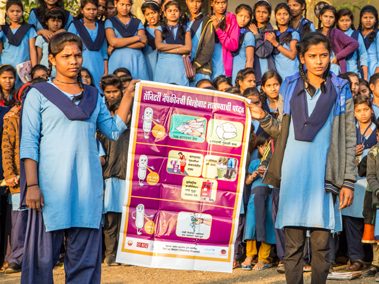
When Water For People India visited Tembrusonda village in July 2018, they received a special request. It came from a residential ashram school for tribal girls in Chikhaldara block, Amravati district, Maharashtra.
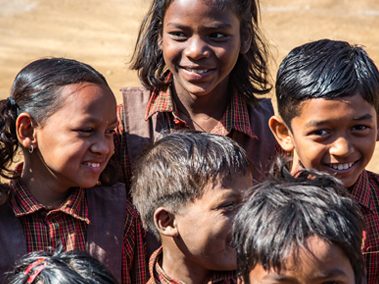
Kids in Kohona village were facing a bleak future. Since their school lacked basic water facilities, they used to flee outside to drink water or use toilets. 12-year-old Neeta Lala Mavaskar, a class- VIII student, shares, “While studying in school, I had to face a lot of water-related problems.
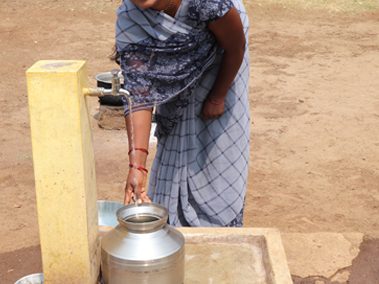
Khatkali is a small village with 100 households in Amzari Gram Panchayat, Amravati district, Maharashtra. When Water For People India team visited the village in May 2019, it was devoid of a functional water supply scheme.
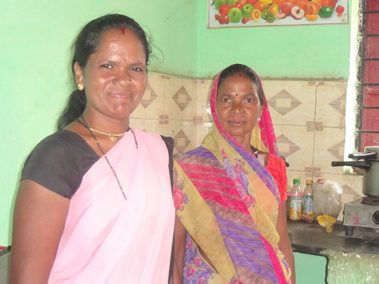
Kalapani and Bhandri are remote villages situated in Chikhaldara block, Amravati district, Maharashtra. A year ago, both these villages lacked a basic water supply.
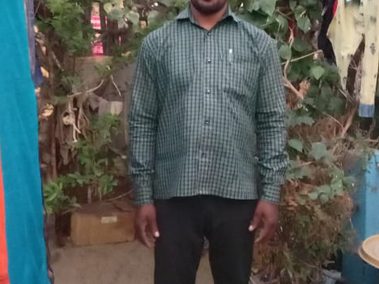
Mr. Suraj Tote, resident of Bhandri village in Chikhaldara block, Amravati district, Maharashtra was working as a security guard in Nagpur, Maharashtra. He was dissatisfied with his job, not because the pay was not good.
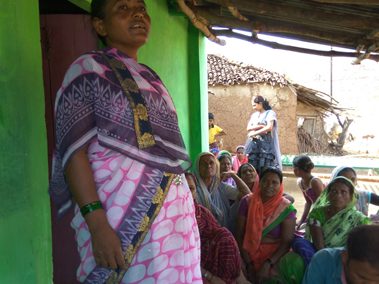
Atithi Devo Bhava (Guest is equivalent to God) is an ancient Indian saying. But for 45-year-old Hemrati Rameshwar Metakar, a native of Dhomanbarda village, it’s far easier said than done.
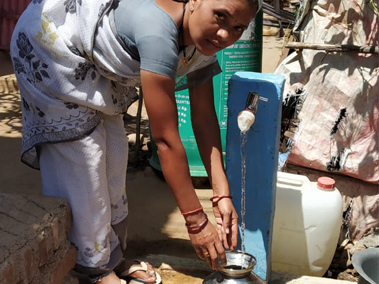
Kalapani is a small village in Badnapur Gram Panchayat. It houses 84 households with more than 95% population of the tribal community.
Proin luctus eu erat quis tincidunt. Vestibulum ante ipsum primis in faucibus orci luctus et ultrices posuere cubilia Curae; Suspendisse ullamcorper nunc eu placerat fermentum.
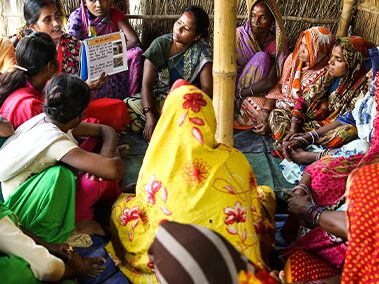
Every month we used to spend around Rs. 2,000 of our hard-earned money on doctor’s fees, mostly for preventable diseases. We simply lacked knowledge of hygienic practises
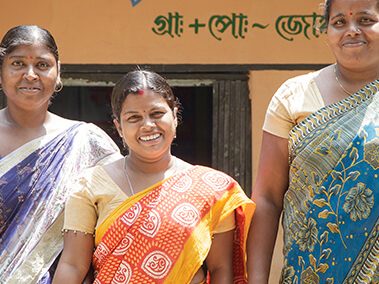
Purnima Roy, Treasurer of the Self Help Group (SHG) Cluster in Howrah, Kolkata, achieves what few could have even dreamt of: construction of 300 Individual Household Latrines (IHHLs) in only seven months.
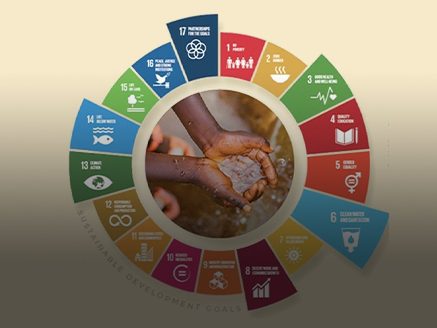
The year 2020 – the Decade of Action to Global Goals – is the start of the ten-year countdown to the deadline for the Sustainable Development Goals (SDGs). The 2030 Agenda…
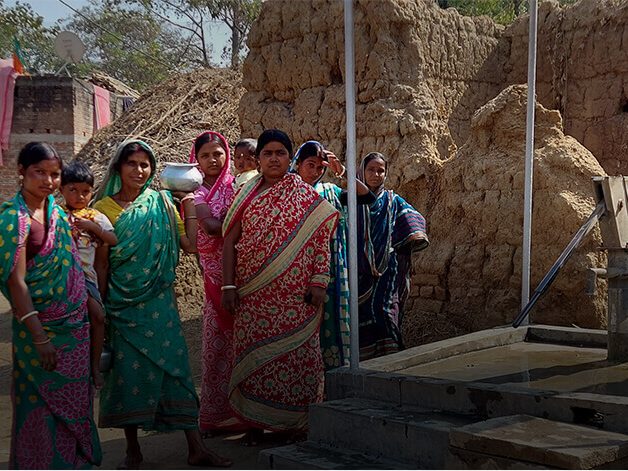
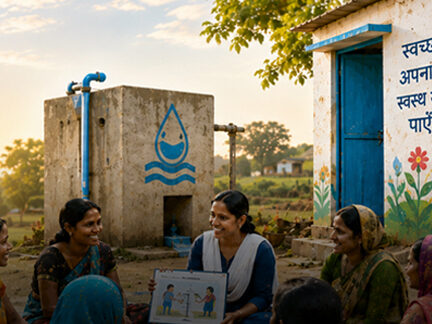
The Water User Committee in Anandapur village (India) consists of 12 women volunteers who have been trained on issues of water quality, budgeting and more…
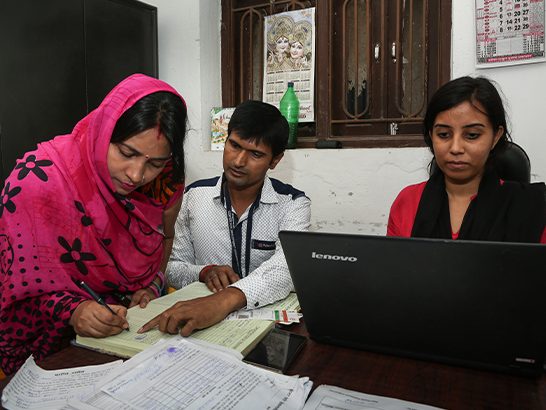
Project Sheohar advances integrated WASH solutions that include creating and managing water systems, market-based approaches to sanitation and livelihoods
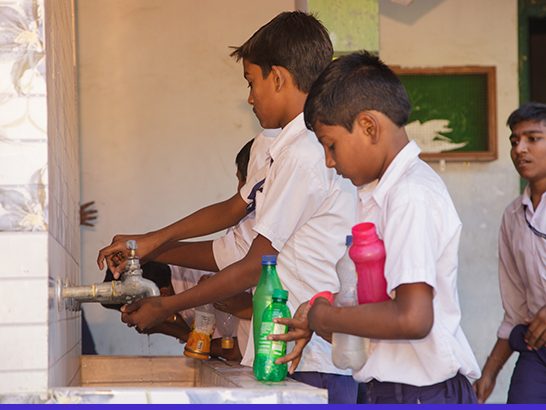
The Water Initiative aims to improve quality of life among the marginalized and excluded communities in Amravati district, Maharashtra through inclusive, sustainable WASH
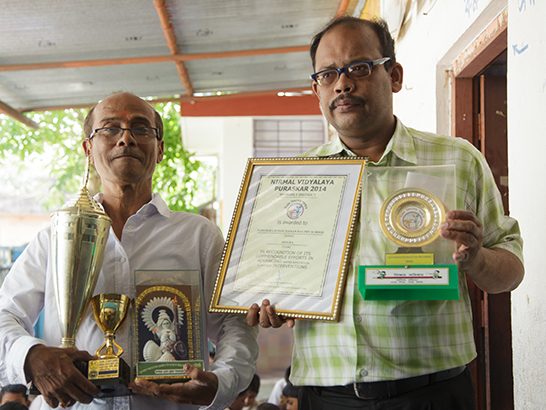
The project Everyone Forever in South 24 Parganas adopted the EF model to expand community access to drinking water, household sanitation, and WASH facilities
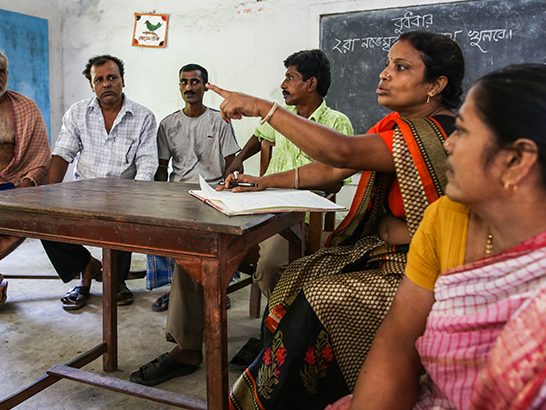
The projects Swaccho Nirapad Parivesh & Everyone Forever Water Services and Systems Strengthening aims to ensure last-mile connectivity to marginalized communities in Birbhum
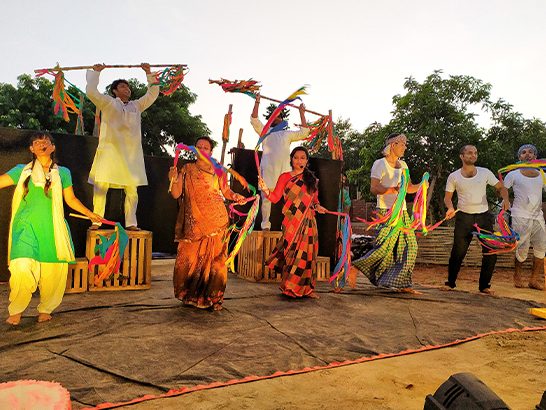
The Save Water Cause campaign has been instrumental in providing communities with water points and piped water supply systems in West Bengal and Maharashtra
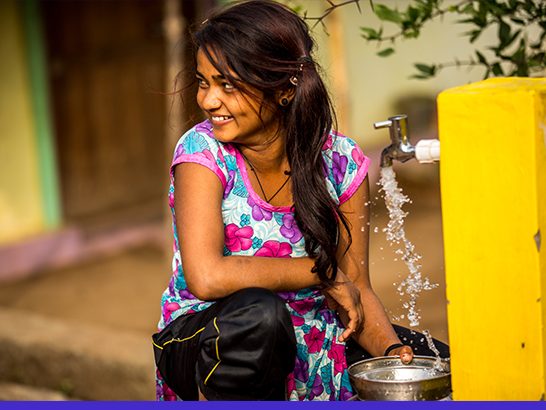
Under Mission Sunehra Kal, the project aims to promote sustained water, sanitation & hygiene services in communities and schools
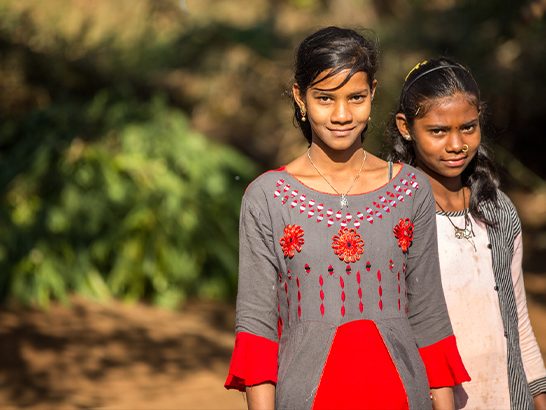
The project Water Initiative – Swaccho Nirapad Parivesh ensured sustainable and improved WASH facilities in schools through a participatory process involving the children directly
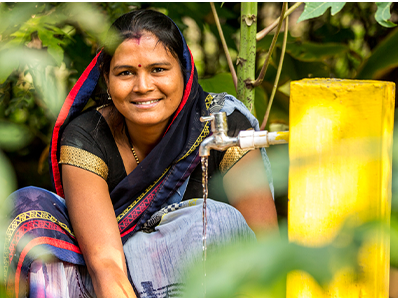
The project Swachh Parivesh Swachh Vidyalaya focused on renovating the sanitary provisions, handwashing stations, drinking water facilities
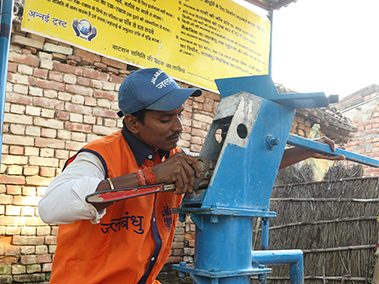
Pramod shared that his father passed away when he was just 10 years old. At that time, the impact of his loss was not yet clear.
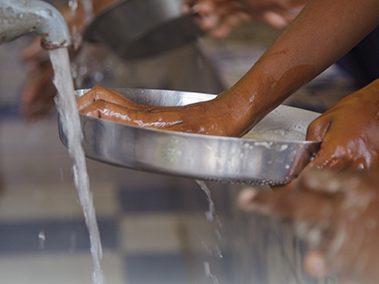
Dr. Partho Pratim Mukhopadhyay, Headmaster of the Bagati Ramgopal Ghosh High School is categorical in his praise for Water For People…
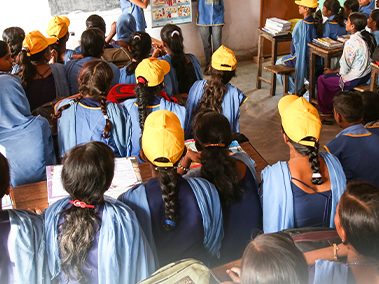
Rajkiya Madhya Vidyalaya is a school in Bansi Pachara Village of Sonbarsa Gram Panchayat, Tariyani Block in Sheohar District of Bihar. It dates back to 1890.
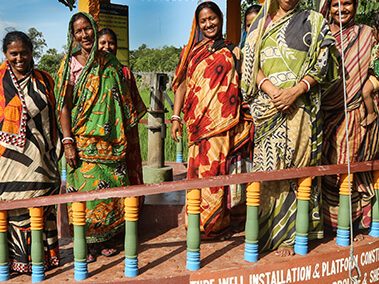
Women of the Sunita Williams Self Help Group (SHG) formed in 2007, are members of the all-women WUC, Ganga Mahila Sanirbhar. Brishnupur is a village in the Ganga Sagar Gram Panchayat
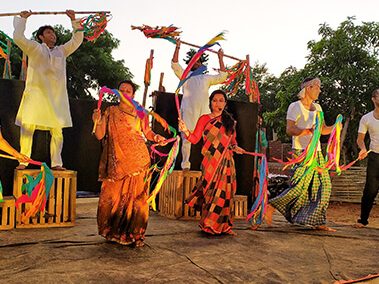
Meet 30-year old Krishna Devi, a home-maker and mother of three children living in Basant Jagjeevan Village, a community of farmers and people belonging to Schedule Caste social group
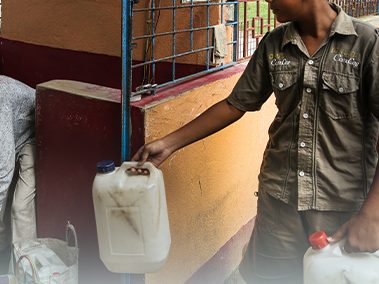
Sumitra Dey is the caretaker of the arsenic filter installed near the Daharthuba Club, in North 24 Parganas District of West Bengal.
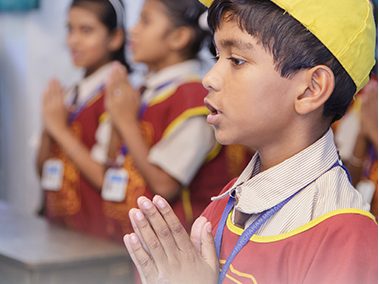
Headmaster Amiya Ghosh is inspiring and tireless in promoting a vibrant learning environment for the primary school children in his charge.
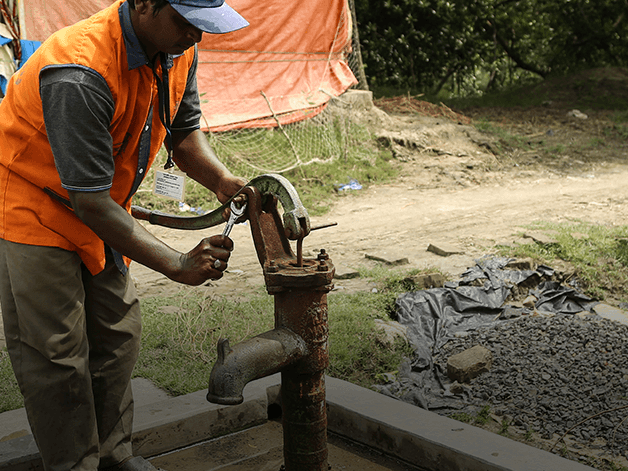
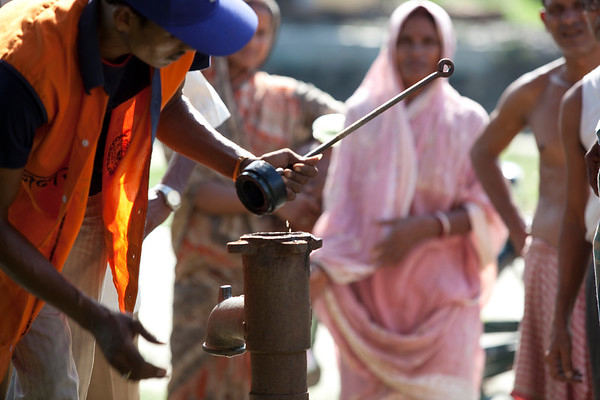
Water For People develops a cadre of entrepreneurs delivering critical services for water security. As a major source of potable water, hand pumps are ubiquitous in rural India. According to a recent national survey, about 43 percent of rural households rely on hand pumps as a principal source of drinking water. Historically, poor operations and…
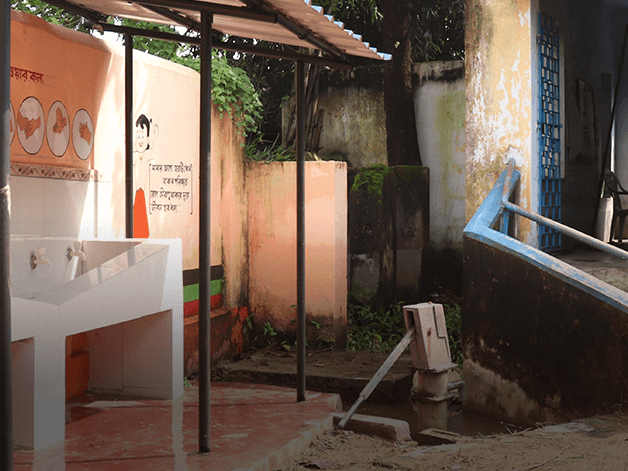
Promoting sustainable systems that facilitate provision of safe water and sanitation to communities in a tribal village…
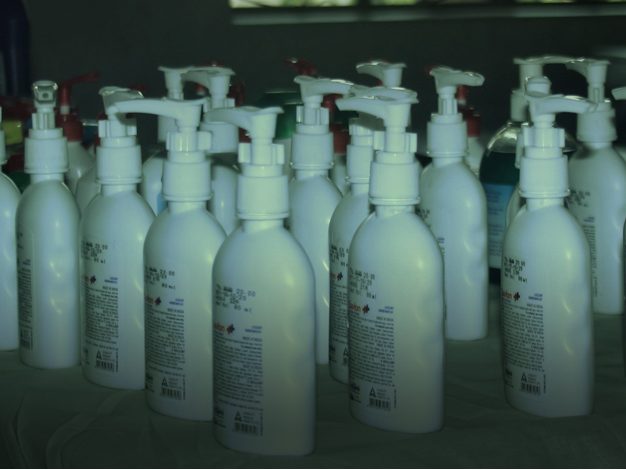
The one who takes the first step may not reach the goal; this deters millions, but motivatesthousands to walk. This story reflects government departments, teachers, parents, students, and project staff coming together to help schools to improve operation and maintenance (O&M) of School Water, Sanitation, and Hygiene (SWASH) facilities.
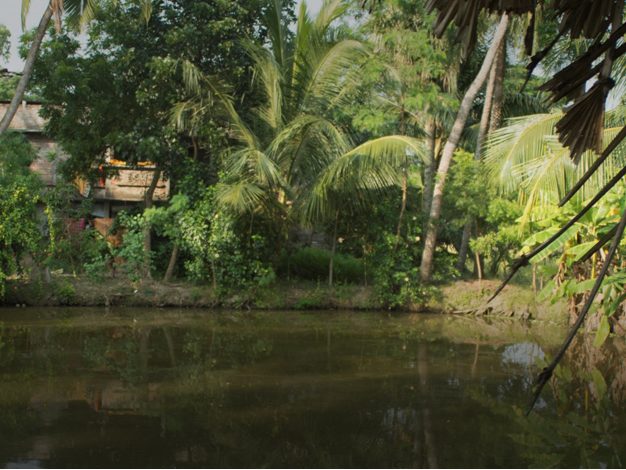
A watershed is not simply the hydrological unit but also socio-political-ecological entity which plays crucial role in determining food, social, and economic security.
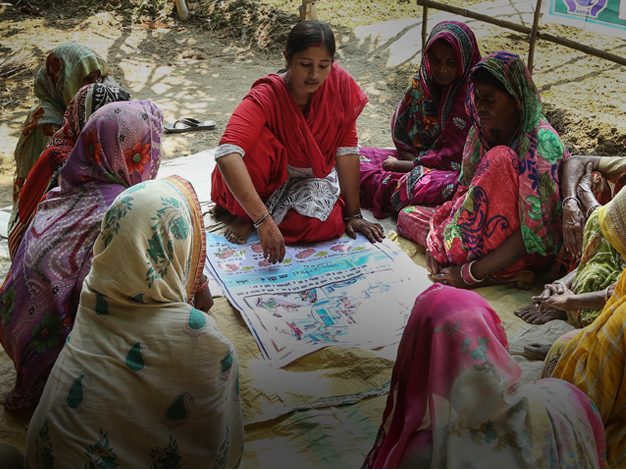
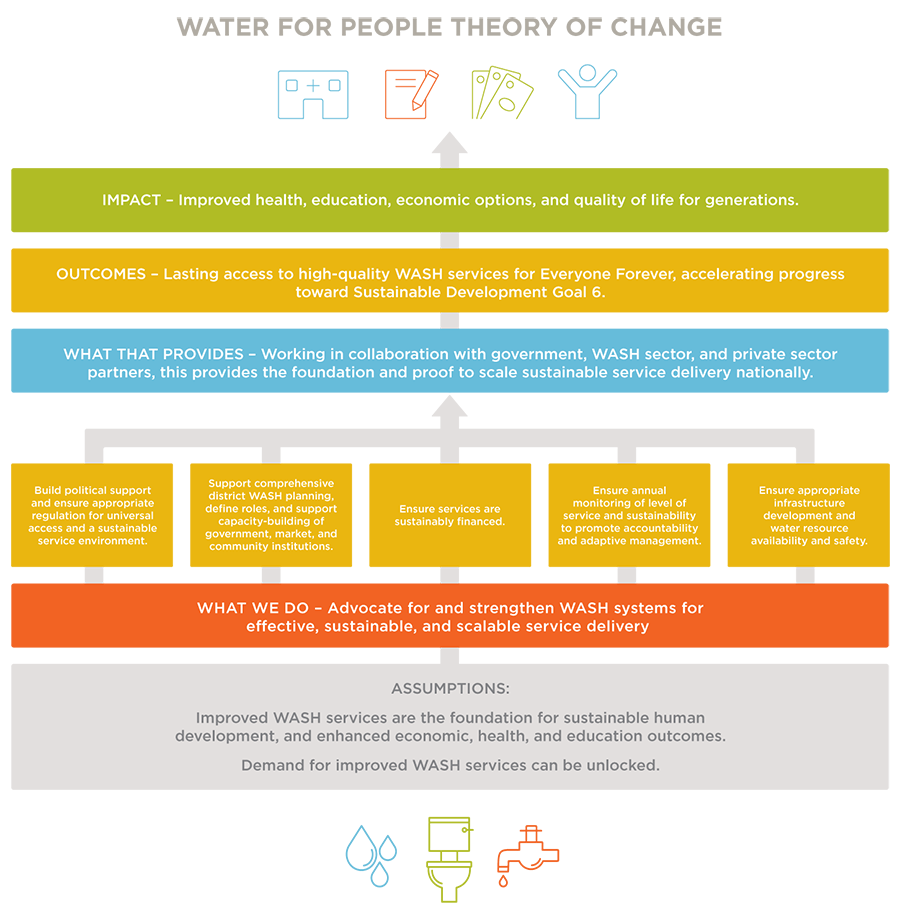
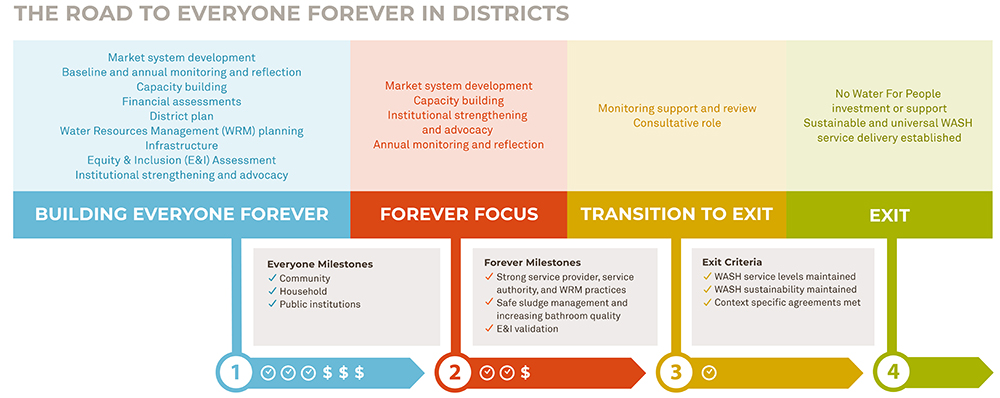
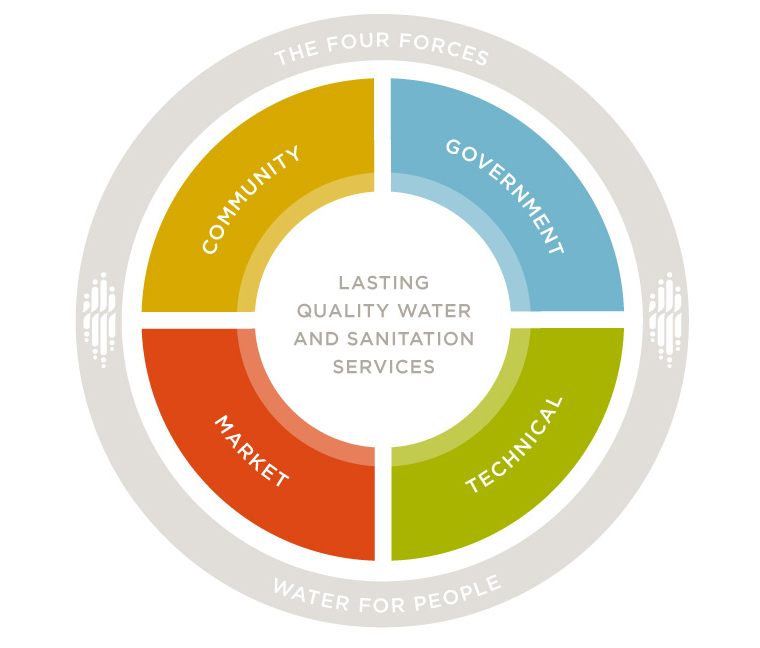
Consistent with the global vision and mission, Water For People’s Everyone Forever model in India promotes safe and reliable water, sanitation, and hygiene (WASH) service provision in communities, schools, and health centers sustained by strong communities, businesses, and governments.
The year 2020 kicked off the Decade of Action for Global Goals – a ten-year countdown to achieving SDGs. SDG 6 envisions universal, sustainable, and equitable access to safe drinking water, sanitation and hygiene. It will also emphasise eliminating open defecation by 2030, especially for women, girls and other vulnerable groups – leaving no one behind. Water For People India has a strategy to make this goal a reality.



















Maharashtra
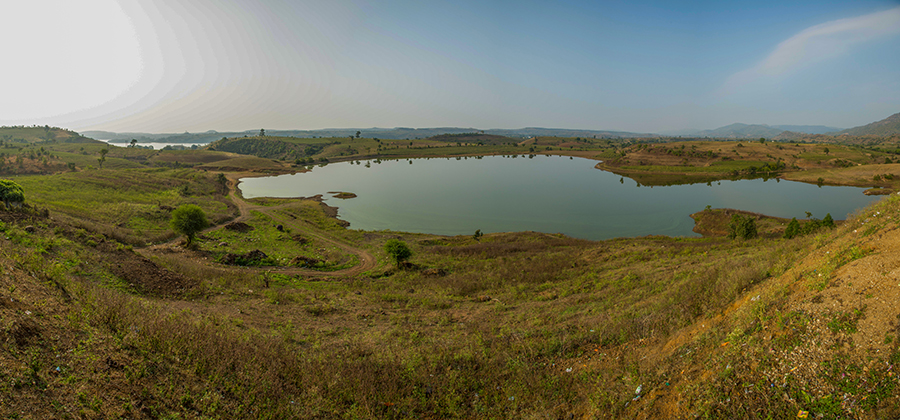
Chikhaldara is a block in the Amravati District of Maharashtra. The population primarily consists of tribal communities, most of which are farmers. The region has high levels of poverty and experiences widespread water shortages.
In 2017, Water For People India launched The Water Initiative in Chikhaldara block. It aims to achieve Everyone Forever status by 2021, with special attention given to the vulnerable communities. Since the block experiences a high level of water scarcity, Water For People India is piloting water conservation and capture technologies, such as rainwater catchment systems with rehabilitation of dilapidated piped water systems.
Bihar
Sheohar is a rural district in Bihar, and Water For People India works in all the five blocks viz. Dumri Katsari, Tariyani Chowk, Piprahi, Purnahiya and Sheohar. Most people in these densely populated blocks are day labourers and farmers. The level of poverty is very high across the region.
In 2018, Water For People India had installed and rehabilitated handpumps to reach every household in the region. Our current target is to provide deep boreholes for high-quality water in every neighbourhood. We will continue our social art activities like street theatre and short films to educate the locals and promote safe water services. Additionally, loans for household sanitation will be facilitated and disbursed.
West Bengal
Rajnagar is a block in the Birbhum district of West Bengal. Birbhum, an aspirational district of Niti Aayog, is prone to droughts. So rather than focusing on agriculture, the locals generate livelihood by making handicrafts and bamboo products. Over half of the population belongs to traditionally vulnerable and excluded groups.
In Rajnagar, Water For People India will work with communities to strengthen the management of water resources. We will help develop water safety and security plans, train local Jalabandhus, and establish operation and management strategies. To improve water infrastructure, Water For People India will install mini piped-water schemes in villages and construct water points in communities and schools.
West Bengal
Namkhana is a block in the South 24 Parganas District of West Bengal. Most of the population in this block are involved in farming. Namkhana is in low-lying wetlands where water supplies are commonly contaminated with saline.
In Namkhana, Water For People India will focus on improving access to clean and reliable water services by installing and rehabilitating handpumps. In select schools, rainwater harvesting structures will be installed alongside handpumps, sanitation and hygiene facilities.
West Bengal
Patharpratima is a block in the South 24 Parganas District of West Bengal. The majority population works in agriculture, fishing, or manual labour. Patharpratima is susceptible to flooding due to being located in a river delta.
Since 2016, every school, community and clinic in Patharpratima have access to regular water services. And within the next four years, Water For People India had reached every single family in Patharpratima. To sustain those services and replicate the approach at a greater scale in the region, we are strengthening Gram Panchayats responsible for overseeing them.
West Bengal
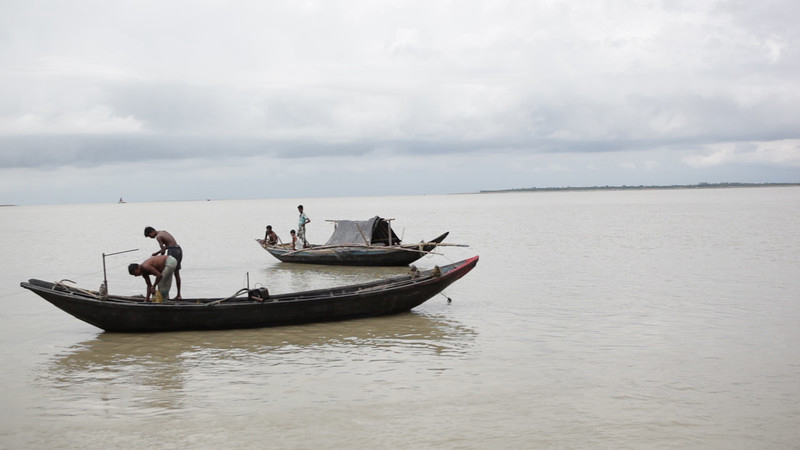
Sagar Island is a block in the South 24 Parganas District of West Bengal. Most residents of Sagar Island are subsistence farmers, fishers, or manual labourers. Sagar Island is prone to flooding and tidal surges, which makes providing reliable water services particularly challenging.
Yet, we had reached every school, clinic, and community in Sagar Island by 2016, a significant milestone for us. To replicate these results, Water For People India shifted its focus on improving the sustainability of water services by strengthening Gram Panchayats and developing plans for scaling the approach across South 24 Parganas and West Bengal.
Today, every family in Sagar Island has been provided with reliable water services.