Water, sanitation and hygiene (WASH) are fundamental to human development. Yet, despite decades of investment in infrastructure, WASH-related diseases remain widespread. A key reason is often overlooked: infrastructure alone does not change lives—behaviour does.
Evidence shows that nearly 22% of WASH-related diseases are linked to unsafe behaviours around water use, sanitation and hygiene. This makes Social and Behaviour Change Communication (SBCC) not an optional add-on, but a core requirement for sustainable WASH outcomes.
From Construction to Behaviour Change
India’s sanitation programmes from the Central Rural Sanitation Programme to the Swachh Bharat Mission, have consistently recognised behaviour change in policy. In practice, however, implementation has largely remained construction-focused, with limited investment in trained human resources, adequate budgets, and systematic SBCC processes. The result has been uneven usage, poor maintenance, and fragile gains.
Water For People’s Approach
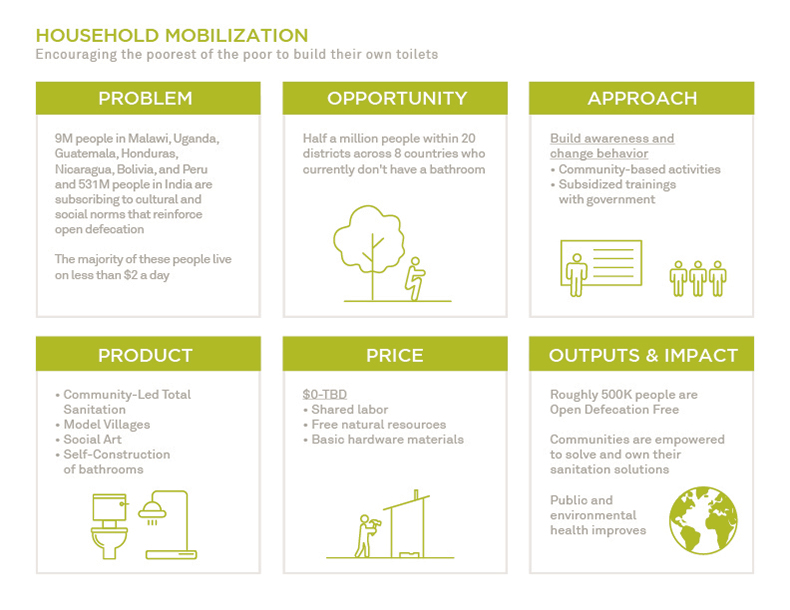
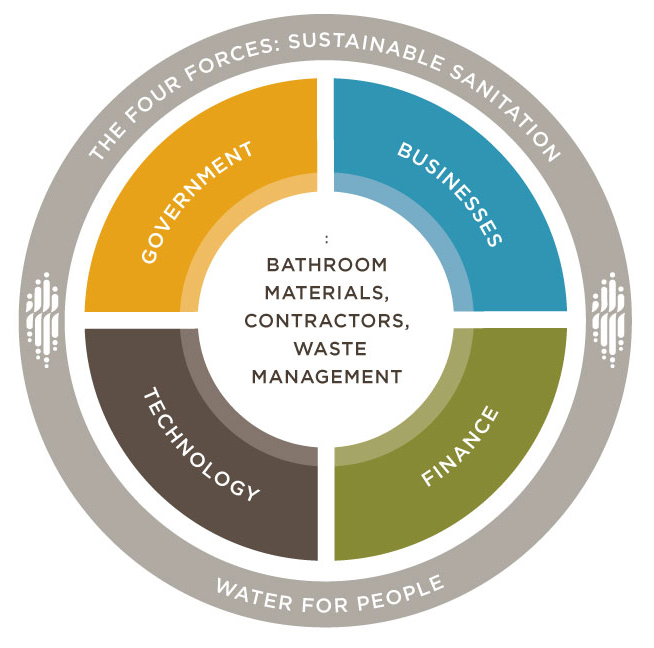
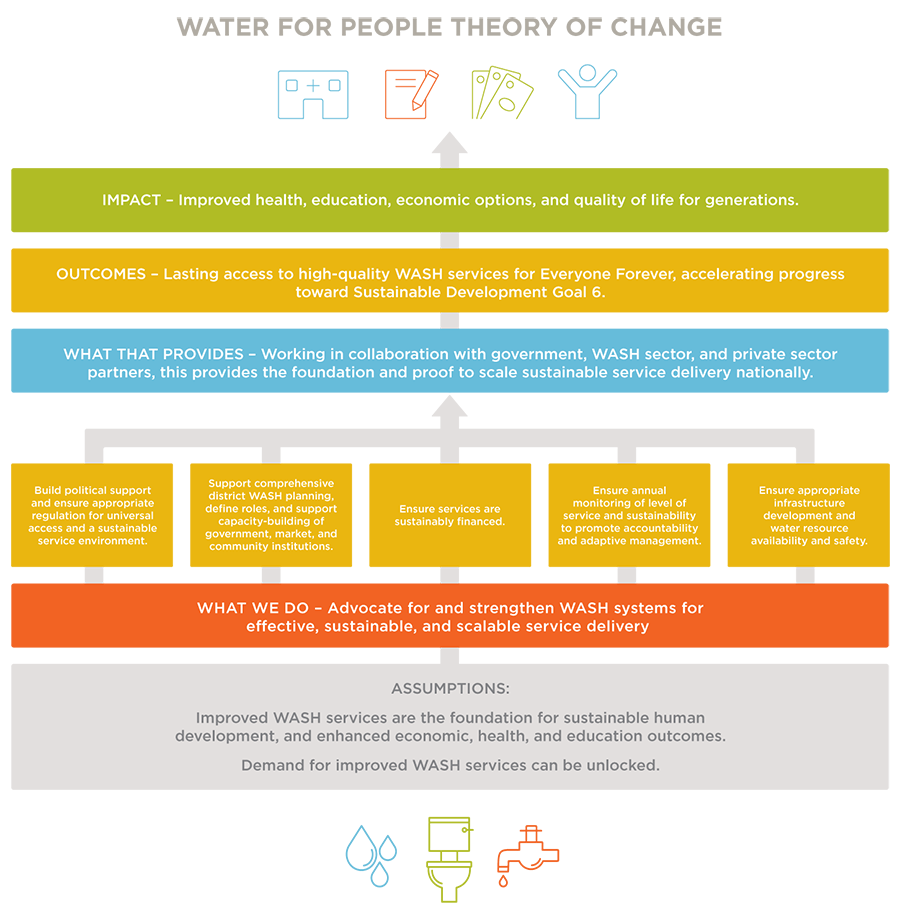
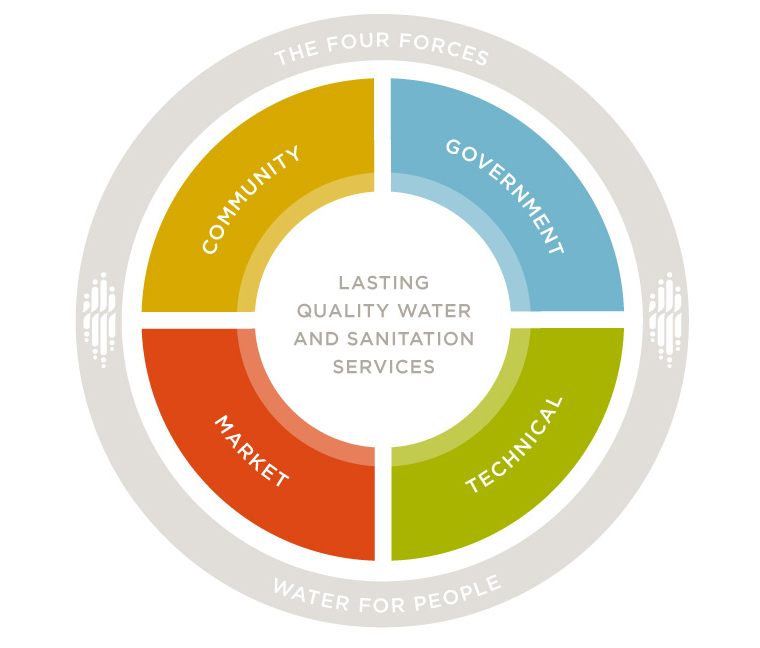
Water For People believes that sustainable WASH depends not only on access to services, but on their consistent and correct use. Behaviour change is therefore embedded across its programmes, addressing both individual practices and collective community norms through locally relevant strategies.
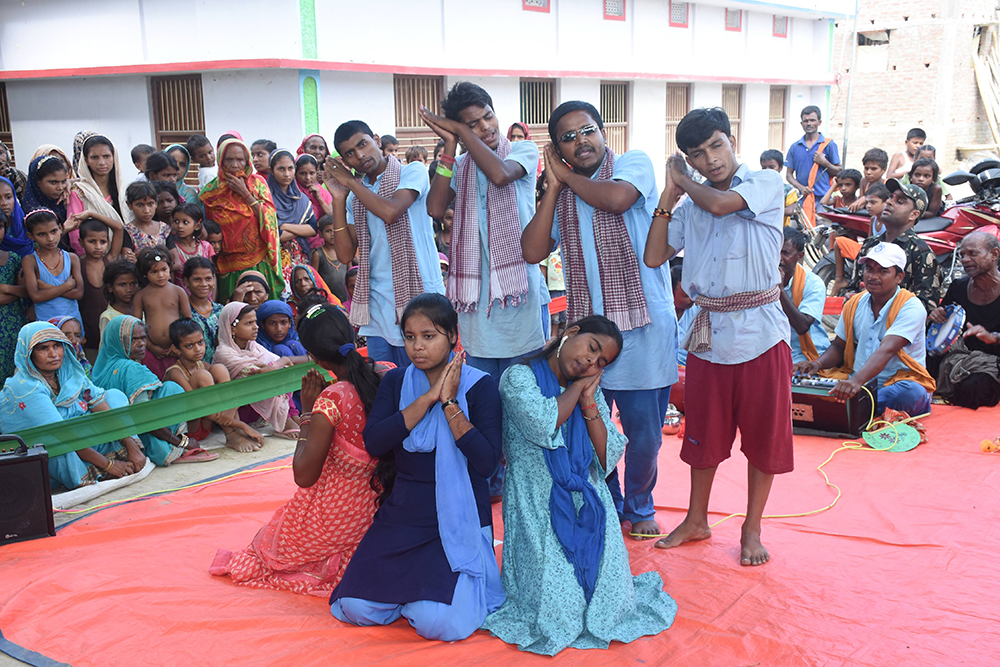
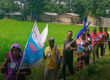
One powerful example comes from the revived local art forms to deliver WASH messaging. Across Bihar, West Bengal, Maharashtra and Assam, more than 150 local artists, folk performers, storytellers, theatre practitioners and mural artists were trained to adapt their art for WASH messaging. As trusted voices within their communities, they connected with people emotionally, leading to deeper and more sustained change. Many artists also saw their incomes increase by nearly 200%, strengthening local livelihoods.
Evidence That Behaviour Change Works
Under Project Sheohar in Bihar, a structured SBCC strategy led to measurable outcomes: safe water management increased from 17.5% to 80%, toilet usage rose from 14% to 62%, and handwashing with soap improved from 5.3% to 90%
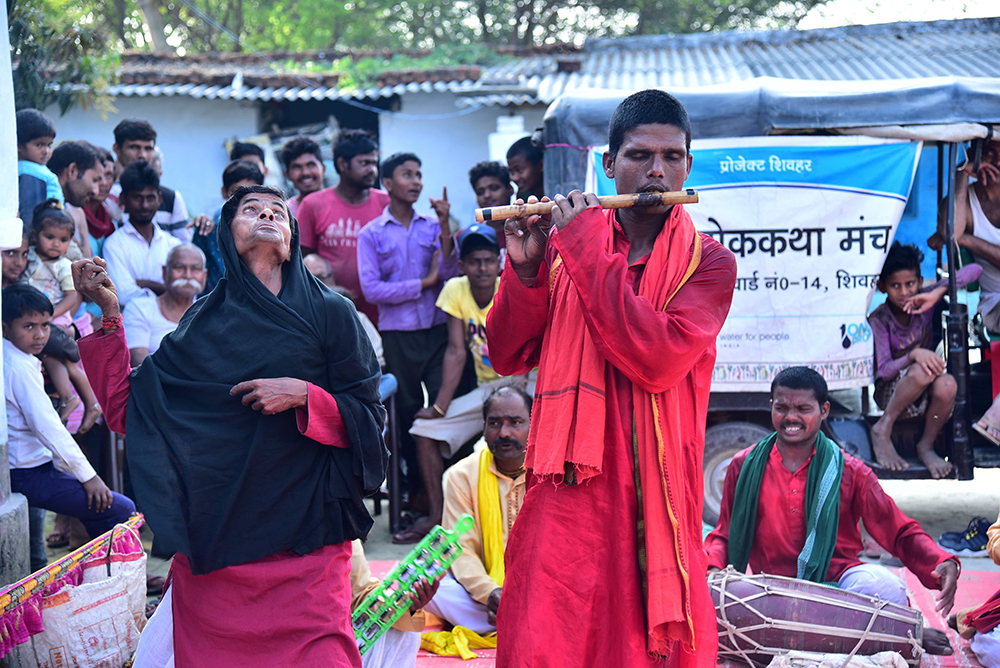
For WASH programmes success and sustainability, behaviour change must be treated as core infrastructure. When behaviour change is rooted in local culture, stories and trust, WASH interventions move beyond construction and create lasting transformation.
Safdar Ali
C4D Specialist
Water For People India